

Spring Travel: How to Avoid Bringing Bed Bugs Home in March
Traveling this spring? Learn how to avoid bringing bed bugs home and what to do if you suspect exposure after your March trip.
Spring break flights are full, hotels are booked, and weekend getaways are back in full swing—but so is the risk of bed bugs hitching a ride home with you. March marks a noticeable increase in travel across the country, and with that movement comes greater exposure to shared sleeping spaces, luggage-handling areas, and public seating. If you’re traveling this season, knowing how to prevent bed bugs after vacation could save you from weeks of stress and costly treatment. So, how do you enjoy your trip without bringing unwanted guests home?
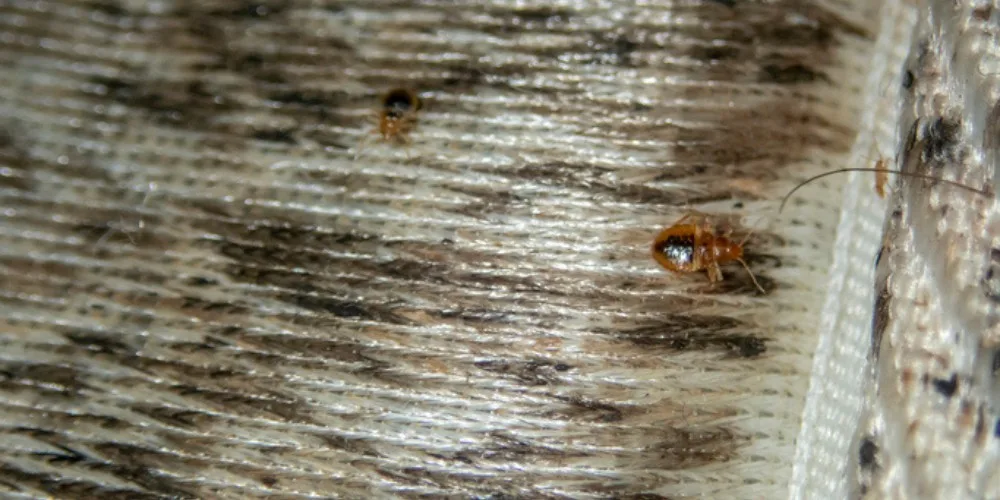
Why Bed Bug Cases Rise in March During Spring Travel
Spring Break and Increased Hotel Stays
March typically sees higher hotel occupancy due to spring break, conferences, sporting events, and early-season tourism. According to the National Pest Management Association (NPMA, 2023), travel remains one of the top ways bed bugs spread from location to location. Hotels—even high-end ones—are not immune. Bed bugs do not discriminate based on cleanliness or star rating; they simply follow human hosts and hide in luggage, headboards, upholstered furniture, and carpet edges.
Higher guest turnover increases the chance that an infested traveler unknowingly leaves bugs behind for the next occupant. When rooms are cleaned quickly between stays, bed bugs hiding in mattress seams or wall crevices can easily go unnoticed.
Airports, Luggage, and Shared Spaces
Exposure doesn’t start at the hotel. Airports, buses, trains, and rideshare vehicles are shared environments where luggage is placed on floors, racks, and conveyor belts. Bed bugs can crawl into seams and zippers within minutes. While they don’t live on people like lice, they are highly skilled at hiding in personal belongings.
The Centers for Disease Control and Prevention (CDC, 2022) notes that bed bugs are excellent hitchhikers, spreading primarily through infested items rather than direct person-to-person contact. That means your suitcase, backpack, or even jacket could carry them home.
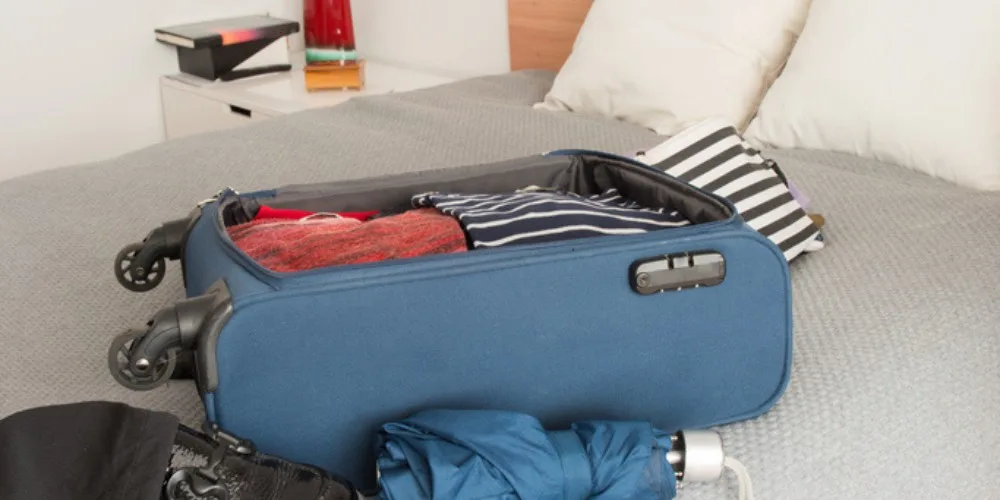
How Bed Bugs Travel With You in Luggage and Clothing
Luggage Storage Risks
The most common transfer point is the luggage rack or floor near the bed. If a previous guest had an infestation, bed bugs may already be hiding behind the headboard or inside the box spring. At night, they emerge to feed and may explore nearby belongings.
To reduce risk, always:
- Store luggage on a hard surface away from beds and upholstered furniture
- Use luggage racks positioned away from walls
- Keep suitcases zipped when not in use
- Avoid placing clothing directly into hotel drawers
These small precautions significantly reduce exposure.
Clothing and Soft-Item Contamination
Bed bugs are attracted to carbon dioxide and body heat, not dirt. Worn clothing left on the floor becomes an easy hiding place. Shoes, purses, and jackets placed near the bed are also vulnerable.
When returning home, avoid bringing luggage directly into bedrooms. Instead, unpack in a garage or laundry area. Immediately wash and dry clothing on high heat for at least 30 minutes, as sustained temperatures above 120°F kill bed bugs and eggs (EPA, 2023).
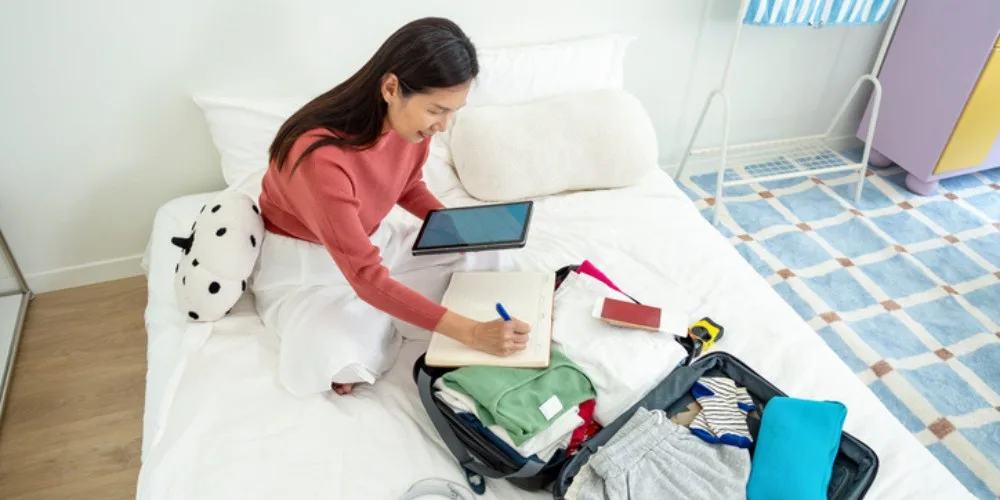
Post-Travel Bed Bug Inspection Checklist After Vacation
How to Inspect Luggage Before Entering Your Home
Before bringing bags indoors, inspect them carefully. Use a flashlight and check:
- Seams and stitching
- Zippers and pockets
- Under handles and straps
- Wheels and hard-shell edges
Look for tiny black spots (fecal staining), shed skins, or live bugs about the size of an apple seed. Even one sign warrants caution.
If possible, vacuum the suitcase thoroughly and dispose of the vacuum contents in a sealed bag outdoors.
Laundry and Heat-Drying Protocol
Heat is your best defense. Wash everything—even unworn clothing—in hot water and dry on high heat. Items that cannot be washed can often be placed in the dryer alone for 30–40 minutes.
For delicate or non-washable items, sealing them in plastic bags for monitoring may help. Bed bugs can survive for months without feeding, but early detection prevents spread.
If you suspect exposure, consider scheduling a professional bed bug inspection after travel to confirm whether any hitchhikers made it inside.
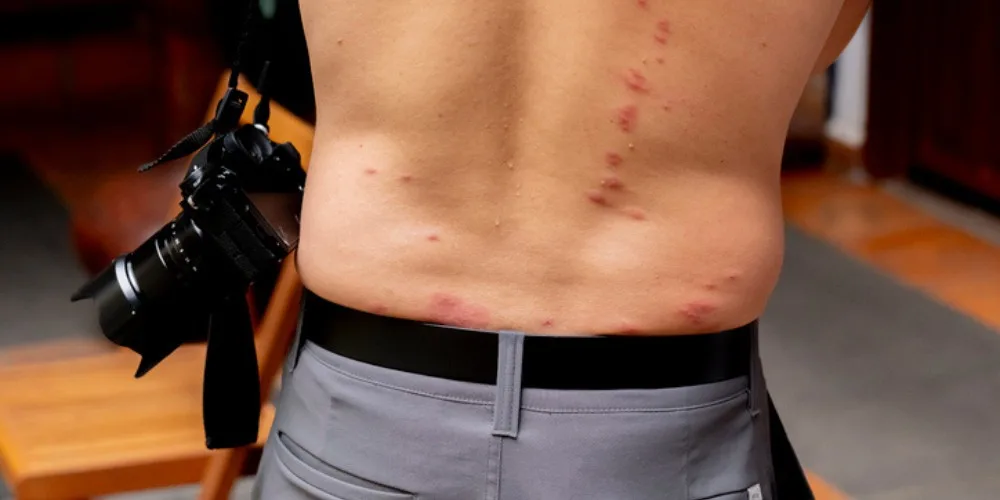
Early Signs of Bed Bugs After Travel
Bites vs. Other Skin Reactions
One of the first warning signs is waking up with itchy, red welts in clusters or lines. However, not everyone reacts to bed bug bites. According to the American Academy of Dermatology (AAD, 2023), reactions vary widely, and some individuals show no visible symptoms.
Because bites alone are unreliable, visual inspection is essential.
Where to Look First
Within the first week after returning home, inspect:
- Mattress seams and box springs
- Headboards and bed frames
- Baseboards near sleeping areas
- Upholstered furniture
Look for rust-colored stains, shed skins, or live insects. Early detection is critical. A small introduction is far easier—and less expensive—to eliminate than a well-established infestation.
When to Schedule a Bed Bug Inspection After Travel
Why Early Detection Prevents Major Infestations
Bed bugs reproduce quickly. A single female can lay hundreds of eggs over her lifetime. What begins as a minor exposure can escalate within weeks if left untreated.
Professional inspections use trained technicians—and in some cases, K-9 detection teams—to locate infestations that homeowners might miss. Visual confirmation ensures you choose the correct treatment method rather than guessing with DIY sprays.
If you’re concerned about exposure during travel, a professional evaluation provides peace of mind before the problem spreads. If you’re located in Texas and need fast confirmation, explore professional bed bug treatment in Dallas-Fort Worth to stop a potential infestation before it grows.
Heat vs. Chemical Treatment Options Overview
If an infestation is confirmed, treatment options typically include:
Heat Treatment: Raises the interior temperature to lethal levels, killing bed bugs at all life stages in a single day.
Targeted Chemical Treatment: Uses EPA-approved residual products and may require multiple visits depending on severity.
The best method depends on the size of the infestation, the type of property, and how quickly you need resolution.
If you’re concerned about exposure during travel, a professional evaluation provides peace of mind before the problem spreads.
Travel Smart, Sleep Easy
March travel should create memories—not infestations. By inspecting hotel rooms briefly upon arrival, storing luggage properly, and following a strict post-travel laundry protocol, you significantly reduce your risk. And if something feels off after you return home, acting quickly makes all the difference.
Bed bugs are persistent, but they are not unbeatable. Awareness, early detection, and fast professional support stop them before they take over your home.
References:
American Academy of Dermatology. (2023). Bed bugs: Diagnosis and treatment. https://www.aad.org/public/diseases/a-z/bed-bugs-treatment
Centers for Disease Control and Prevention. (2022). Bed bugs FAQs. https://www.cdc.gov/parasites/bedbugs/faqs.html
Environmental Protection Agency. (2023). Bed bugs: Get them out and keep them out. https://www.epa.gov/bedbugs
National Pest Management Association. (2023). Bed bug statistics and travel data. https://www.pestworld.org