

March Bed Bugs in Dallas–Fort Worth: What You Should Know
Think bed bugs slow down in early spring? Learn why March is a key month for detection in Dallas–Fort Worth—and how early treatment saves money.
When winter starts to fade and temperatures begin to climb, many homeowners assume pest season hasn’t quite arrived yet. But bed bugs don’t follow the same seasonal rules as ants or mosquitoes. In fact, March is one of the most important months for early detection in Dallas–Fort Worth. As travel increases, social activity picks up, and indoor environments remain climate-controlled, bed bug activity quietly accelerates. The real question is: are you catching the signs early enough?
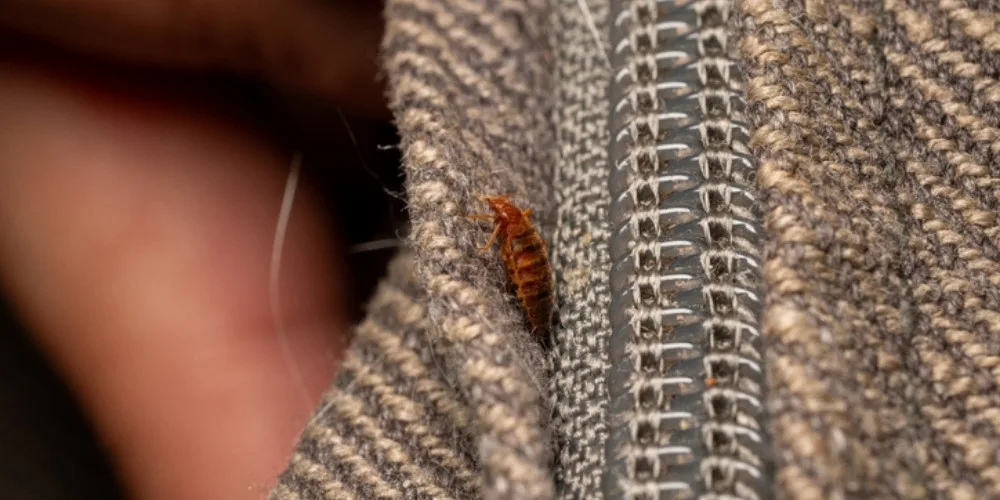
Do Bed Bugs Become More Active in Spring?
Warmer Indoor Environments
Bed bugs thrive in stable indoor temperatures between 65°F and 80°F (EPA, 2023). Even during winter, heated homes provide the perfect environment for feeding and reproduction. As March approaches, subtle environmental shifts—longer daylight hours and increased human activity—can stimulate feeding and encourage expansion into new areas of a home.
Unlike outdoor pests, bed bugs do not hibernate. They remain active year-round inside apartments, houses, hotels, and dormitories. Early spring simply increases their opportunities to spread.
Increased Human Movement
March brings spring break travel, business conferences, sports tournaments, and family gatherings. The Centers for Disease Control and Prevention (CDC, 2022) confirms that bed bugs spread primarily through infested items such as luggage, clothing, and furniture. Increased travel means increased transfer opportunities.
Dallas–Fort Worth is a major metro hub with steady airport traffic. That movement directly correlates with higher exposure risks during early spring.
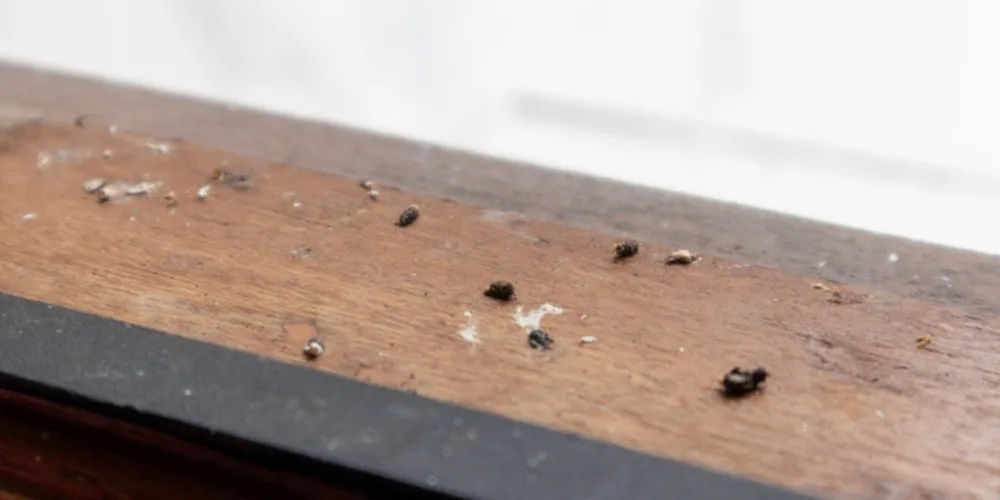
Why March Is a Critical Detection Window
Catching Bed Bug Infestations Before Summer Spreads
By the time summer arrives, bed bug infestations can multiply significantly. A single female bed bug can lay hundreds of eggs in her lifetime (NPMA, 2023). In just a few weeks, what began as a minor introduction can expand into multiple rooms.
March presents a strategic opportunity: infestations are often still small. Early identification means:
- Lower treatment cost
- Faster extermination
- Reduced risk of spreading to additional rooms
- Less disruption to daily life
Waiting until peak summer season not only increases infestation size but also makes scheduling treatment more competitive.
Apartment and Multi-Unit Risks
In DFW, multi-unit housing presents unique challenges. Bed bugs can travel through wall voids, shared plumbing lines, and electrical outlets. One untreated unit can quickly affect neighboring apartments.
Early March inspections are particularly important in:
- College housing
- Apartment complexes
- Senior living communities
- Short-term rental properties
Proactive monitoring protects not only individual units but entire buildings.
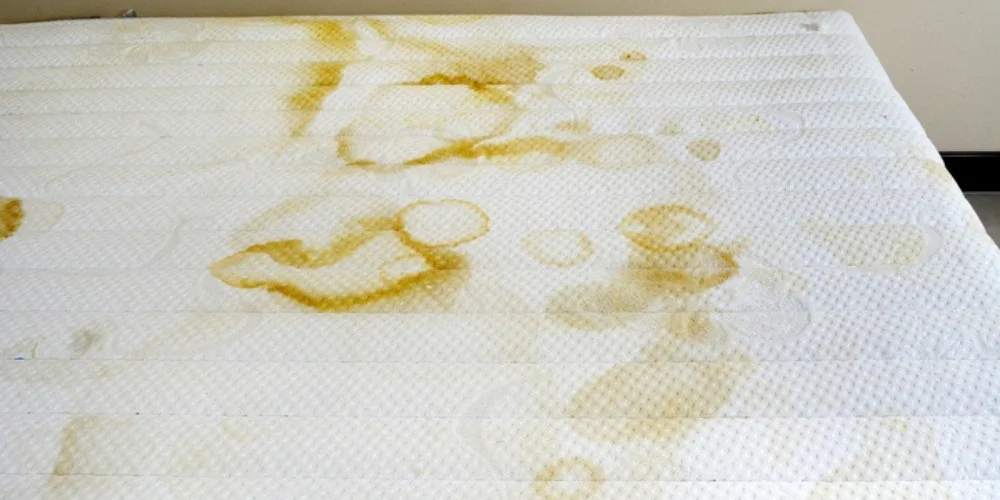
Signs Homeowners Miss in Early Spring
Subtle Mattress Stains
One of the earliest indicators of bed bug activity is faint rust-colored staining on sheets or mattress seams. These marks may be mistaken for minor fabric discoloration. In reality, they often result from crushed bed bugs or small fecal deposits.
Homeowners commonly overlook these subtle signs until bite patterns appear.
Light Bed Bug Infestations vs. Heavy Bed Bug Infestations
In March, infestations are often still in early stages. Signs may include:
- A few isolated bites
- Minimal spotting on bedding
- Bugs limited to one sleeping area
By contrast, heavy infestations show visible clustering, stronger musty odors, and spread to additional furniture. Detecting bed bugs in March often means addressing a manageable problem rather than a widespread one.

Why Early Bed Bug Treatment Saves Money
Smaller Infestations = Lower Treatment Cost
The cost of treatment depends heavily on the infestation size and the number of affected rooms. Early-stage infestations typically require:
- Less preparation
- Shorter treatment duration
- Fewer follow-up visits
Addressing the issue promptly prevents additional expenses related to replacing furniture, laundering large volumes of clothing, or treating multiple rooms.
Faster Scheduling Before Bed Bug Peak Season
Summer is historically the busiest season for pest control providers. Booking in March increases the likelihood of same-week availability and flexible scheduling. Acting early reduces wait times and prevents further spread.
For homeowners in Texas, learning about professional bed bug treatment in Dallas Fort Worth options early in the season ensures you’re prepared before infestations grow.
Similarly, Kansas City residents benefit from early inspections before the high-travel summer months increase local case numbers.

Booking a Spring Inspection
Discreet Service Options
Privacy remains a major concern for many homeowners and property managers. Reputable providers offer:
- Unmarked service vehicles
- Flexible scheduling
- Confidential consultations
Discreet inspections are especially valuable for multi-unit housing and short-term rental properties.
Same-Day Availability in Metro Areas
Because March demand is typically lower than peak summer months, many providers can offer quicker scheduling. Early action allows technicians to inspect thoroughly and recommend the most appropriate treatment plan—whether heat, targeted chemical application, or monitoring.
Heat treatment remains one of the most effective options, raising indoor temperatures to lethal levels for bed bugs at all life stages. Chemical treatments may be suitable for localized or mild infestations.
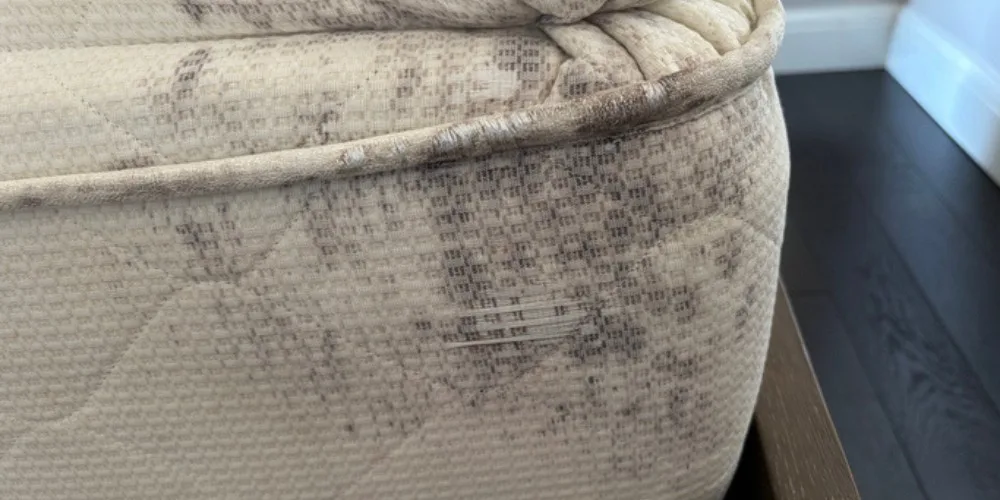
Practical Steps to Take This March
Even if you haven’t noticed signs yet, early spring is a good time to conduct a proactive check. Inspect:
- Mattress seams and tags
- Box springs and bed frames
- Headboards and wall junctions
- Upholstered furniture
If you’ve recently traveled or hosted guests, increase vigilance. Small, early discoveries are far easier to eliminate than established colonies.
Vacuum regularly, reduce clutter around sleeping areas, and avoid bringing secondhand furniture indoors without inspection.

Don’t Wait for Summer to Act
March may not feel like “bed bug season,” but it is one of the most strategic months for detection and prevention. In Dallas–Fort Worth, increased travel combined with comfortable indoor temperatures creates ideal conditions for early spread.
The difference between a minor inconvenience and a full-scale infestation often comes down to timing. Early awareness, prompt inspection, and professional guidance make all the difference.
If you suspect even subtle signs, scheduling a spring inspection now could save you significant cost, stress, and disruption later in the year.
References
- Centers for Disease Control and Prevention. (2022). Bed bugs FAQs. https://www.cdc.gov/parasites/bedbugs/faqs.html
- Environmental Protection Agency. (2023). Bed bugs: Get them out and keep them out. https://www.epa.gov/bedbugs
- National Pest Management Association. (2023). Bed bug statistics and travel data. https://www.pestworld.org